
 Microsoft Copilot
 Apple WebKit
 Google Chrome
 Google Gemini
 NVIDIA
 MongoDB
 Perplexity
 Node.js
 Jenkins
 FreeRDP
 The GNU C Library
 ISC BIND 9
 PowerDNS
 Zabbix
 Moodle
 TYPO3
TYPO3 Open WebUI
 Revive AdserverMicrosoft CopilotApple WebKitGoogle ChromeGoogle GeminiNVIDIAMongoDBPerplexityNode.jsJenkinsFreeRDPThe GNU C LibraryISC BIND 9PowerDNSZabbixMoodleTYPO3Open WebUIRevive Adserver
Years Experience
CVEs Discovered
Public Speaking
Press Mentions
BREAKING
TO DEFEND
Senior security researcher working across vulnerability research, threat intelligence, and AI security. I break systems the way real attackers do, from core internet infrastructure like DNS and glibc to browsers, web platforms, and LLMs, and turn those findings into practical defenses, threat reports, and education so organizations can stay ahead of attackers.
Core Expertise
HIGHLIGHTS
DEF CON 34 Main Track
C(2)YA: Inside the Adversary's Inbox — six months of LLM-assisted research against five C2 frameworks (Havoc, Mythic, Sliver, Covenant, AdaptixC2) yielding 251 findings, 85 exploitable straight from the internet, and 28 takedown chains.
HashJack Research
First known indirect prompt injection technique weaponizing URL fragments to manipulate AI browser assistants. Covered by Forbes, The Register, and The Hacker News.
Apple WebKit Vulnerabilities
Three flaws in Apple WebKit (CVE-2026-28917, CVE-2026-28962, CVE-2026-43700): a memory-safety crash, an information disclosure issue, and a cross-origin leak of sensitive user data.
NVIDIA TensorRT-LLM Vulnerabilities
Two flaws in NVIDIA's LLM inference engine (CVE-2026-24226, CVE-2026-24234): improper control of code generation, and a server-side request forgery in multimodal media fetching.
Operation Poisson
A 33-day French-speaking cybercrime operation captured command-by-command, revealing how a junior operator used Tailscale and OpenSSH to keep access after his C2 went offline. Covered by The Hacker News.
MongoDB Hall of Fame
Pre-authentication denial of service in MongoDB Server (CVE-2026-25611, High severity) and induction into the MongoDB Security Researcher Hall of Fame.
Core Infrastructure CVEs
A 2026 run of vulnerability discoveries across the internet's backbone: BIND 9, PowerDNS, Jenkins, WordPress, Zabbix, and Google Chrome.
RECOGNITION & CVE DISCOVERIES
PRESS
RESEARCH21
Cato CTRL Threat Research: Operation Poisson - Analyzing a Cybercriminal's Entire Operation
Post-incident analysis of Operation Poisson, a 33-day campaign by a junior French-speaking threat actor against four individuals and a French automotive business. Captured command-by-command after the operator left SSH keys and a playbook in an open bucket, it shows how free-tier Havoc C2, a Python keylogger, and Tailscale plus OpenSSH built persistence that survived the C2 going offline.
SPEAKING12
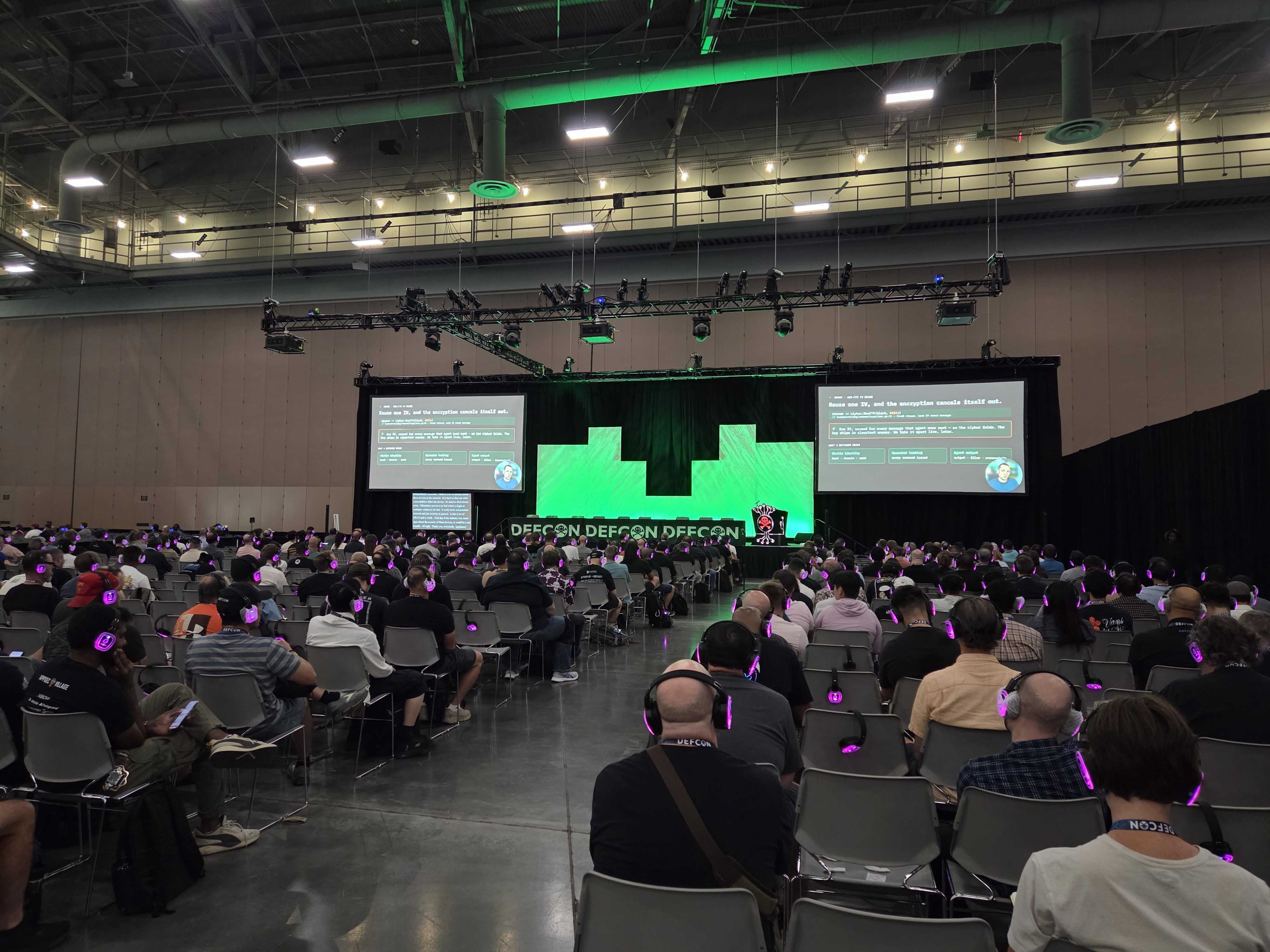
C(2)YA: Inside the Adversary's Inbox
Six months of LLM-assisted research against five C2 frameworks — Havoc, Mythic, Sliver, Covenant and AdaptixC2 — surfacing 251 design flaws and vulnerabilities, 85 of them exploitable from the internet with no prior access, plus 28 takedown chains and crypto failures that decrypt all C2 traffic from a single recovered key.
MY BLOG12
glibc wordexp() Memory Initialization Flaw - CVE-2025-15281
A 26-year-old Use-After-Free vulnerability in glibc's wordexp() function when using WRDE_REUSE and WRDE_APPEND flags together, affecting versions 2.0 through 2.42.
Get in touch
Lectures, interviews, or collaborations?
Always open to discussing new opportunities, interesting projects, or just chatting about security and AI.